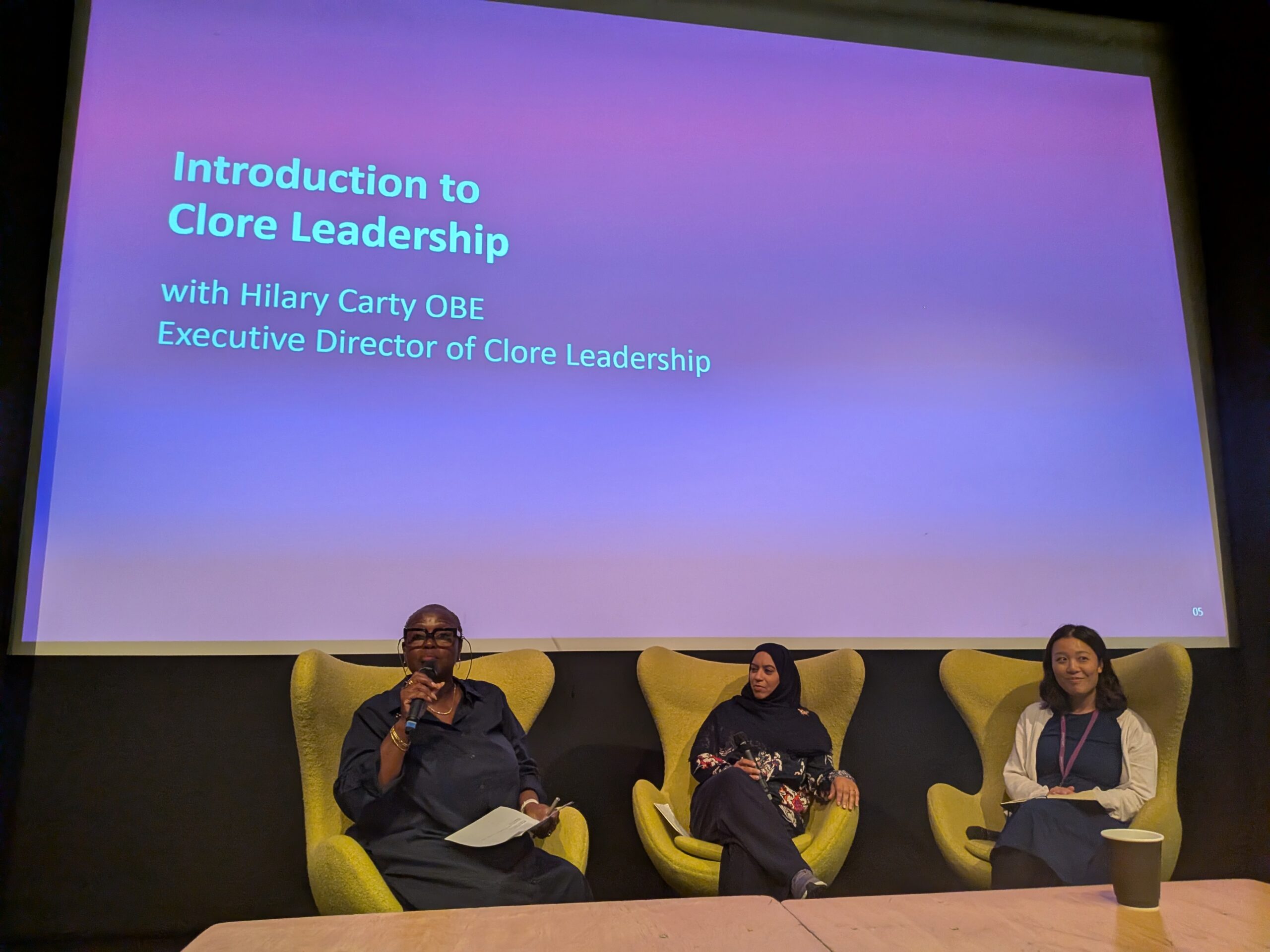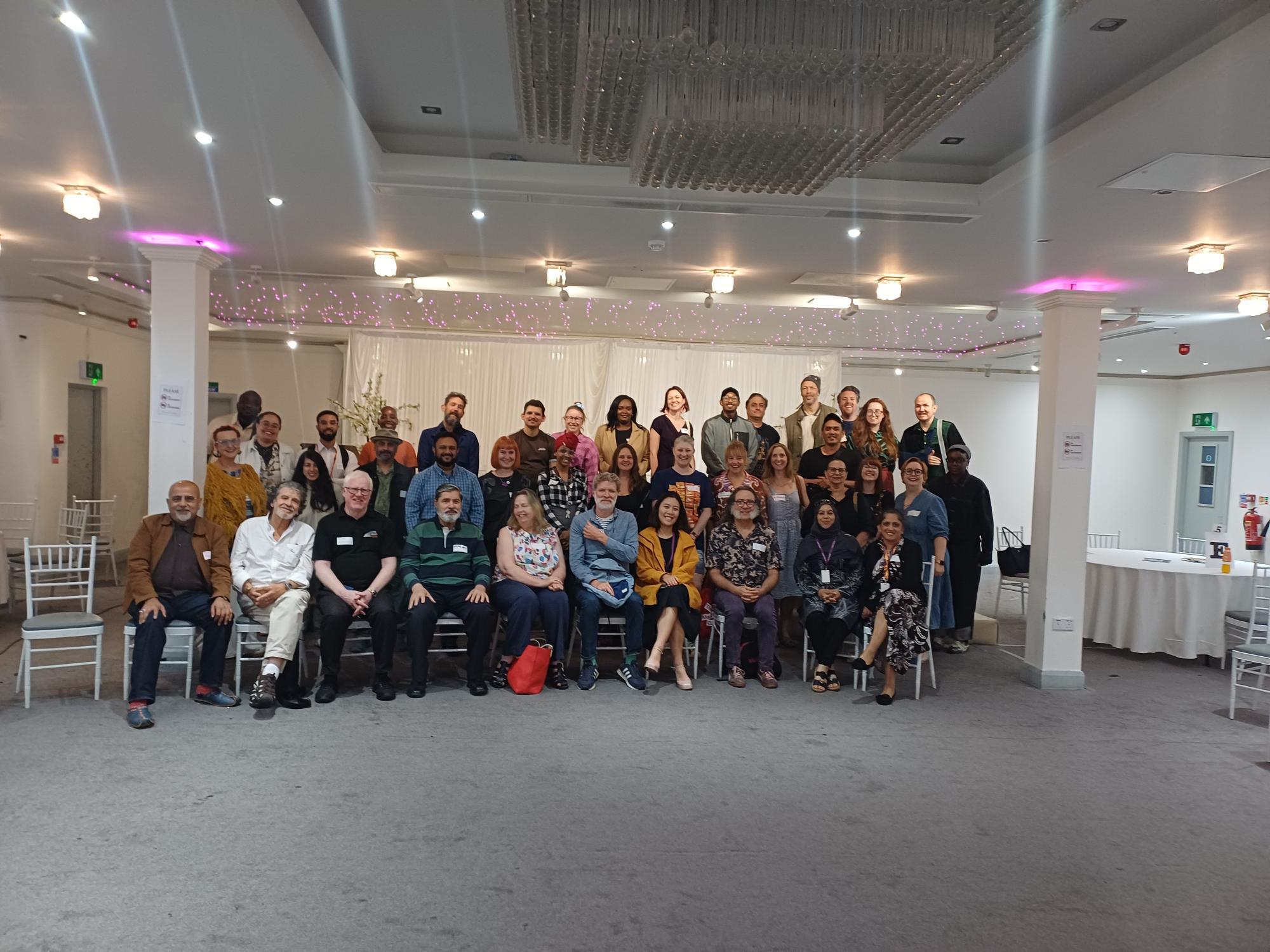


Imrana joined colleagues from the University of Bedfordshire at the Racial Equity Network Dinner (REND) in July, hosted by Chiltern Teaching School. The event brought together educators, practitioners and leaders to reflect on racial equity, accountability and inclusion across organisations and communities.
The conversations challenged attendees to consider not only visible inequalities but also the systems, assumptions and practices that can unintentionally create barriers to participation. Contributors spoke about institutional responsibility, the importance of creating environments where people feel able to speak up, and the need for collective action to address discrimination and exclusion.
The evening encouraged attendees to reflect on the policies and practices that shape our organisations and the continued impact of systemic marginalisation. Drawing on the legacy of Malcolm X, Dr Tareq Younis reflected that “the process of marginalisation is deeply institutionalised within our mainstream context” and that meaningful change requires us to focus not only on visible issues but also what has become normalised within our institutions.
Sufian Sadiq shared recent examples of abuse and hate experienced within the Luton context. His powerful call to action invited attendees to consider how global politics and social media narratives can have profound consequences in our local communities, highlighting the importance of collective responsibility in standing against discrimination and division.
Another important theme was the need to create environments where people feel safe to speak up. Haroop Sandhu observed that many institutions still struggle to foster cultures where concerns can be raised openly and constructively. She emphasised the importance of developing a shared language and ethos that enables people to be heard and to trust that their voices will contribute to meaningful change. The discussion also highlighted how individuals from marginalised backgrounds are often expected to bear the burden of challenging inequality, hence reinforcing the need for clear institutional accountability.
Sharing a table with colleagues from the University of Bedfordshire, including the new Vice-Chancellor, sparked discussions about how arts and culture can play a vital role in embedding cultural education, fostering belonging and creating opportunities for wider participation. For Luton Arts, these discussions prompted reflection on our own practice. They reinforced an important question: how do we ensure that inclusion is not simply something we talk about, but something that is actively shaping how we design and deliver opportunities?
From the outset of the programme, Luton Arts sought to be responsive to community needs through open dialogue and transparent processes. Working with Tonic Theatre to explore inclusive practice helped us examine our own assumptions and consider where barriers might exist within programme design, funding processes and engagement activities.
Through listening to artists, creative practitioners and communities across Luton through a Needs Analysis conducted by Variable Matter in early 2025, we identified areas where our approach could be strengthened. Despite the strength of having a diverse team holding a breadth of expertise, we recognised that overcoming barriers to access would require us to go beyond mere representation. We actively listened to and worked in partnership with creative communities to shape opportunities that were resonant and equitable. This learning directly influenced the development of the Luton Create Fund and wider programme activity.
In practice, this meant looking closely at where the funding processes could create barriers and making changes to help more artists access opportunities. We worked with Bedfordshire and Luton Community Foundation to ensure that individual artists could apply for larger grants and to encourage applications from people and groups who were completely new to funding. Recognising that application processes can feel daunting, we also introduced drop-in funding advice sessions across different wards of Luton, alongside tailored one-to-one support where applicants could discuss ideas and access requirements.
We also reviewed how much time and effort is often required to apply for funding, particularly for freelancers balancing multiple commitments. In response, we introduced a two-stage application process, beginning with a simple Expression of Interest before inviting applicants to complete a full application. Timelines were extended based on feedback, helping to make opportunities more manageable and accessible.
Alongside these practical changes, we focused on making communication clearer and more transparent. Information about funding levels, available awards and decision-making processes was shared openly, while a diverse community panel was involved in assessing applications. Feedback was also offered to unsuccessful applicants to support future development opportunities. Our guiding principles were rooted in attentive communication and putting joy back into the heart of creativity.
This commitment extended beyond the Create Fund. Through engagement with Luton Fairness Taskforce, the Disability Network and the Arts and Culture Strategy Wellbeing Subgroup, Luton Arts has continued to develop a broader understanding of community needs and how collaborative approaches can create more equitable opportunities for participation. Considering Luton Borough Council’s 2040 vision of creating “a healthy, fair and sustainable town where everyone can thrive”, the role of an organisation like Luton Arts is crucial in creating opportunities for more creative community connection to enable systemic change within the town.
The conversations sparked through REND served as a valuable reminder that meaningful change is rarely achieved through a single action. It requires ongoing reflection, partnership and a willingness to challenge established ways of working. For Luton Arts, that learning continues to shape how we build opportunities, develop partnerships and support creative communities across the town. This wider ambition is reflected in Luton Arts Support, which forms part of the programme’s legacy and demonstrates how a commitment to inclusion can contribute to strengthening Luton’s creative ecology. Inclusion is an integral part of how Luton Arts is working to build stronger systems, create better opportunities and enable more people to participate in Luton’s creative future.